Academic Skills
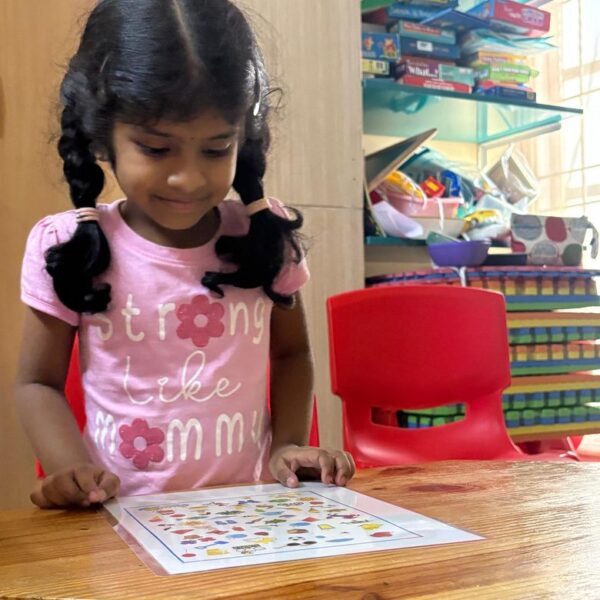
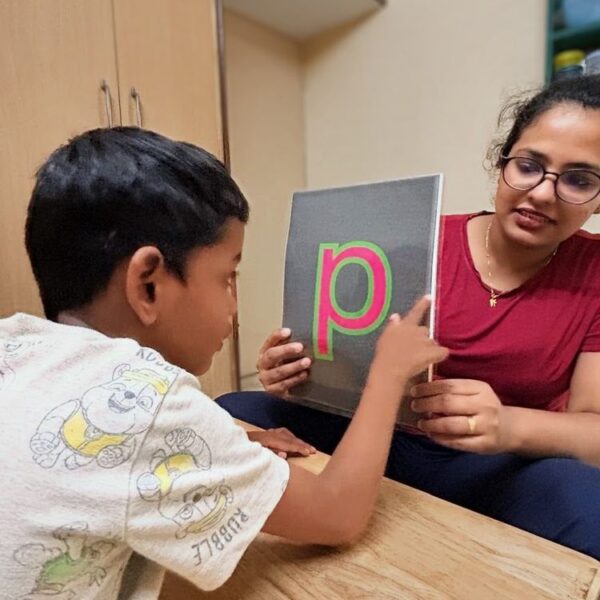
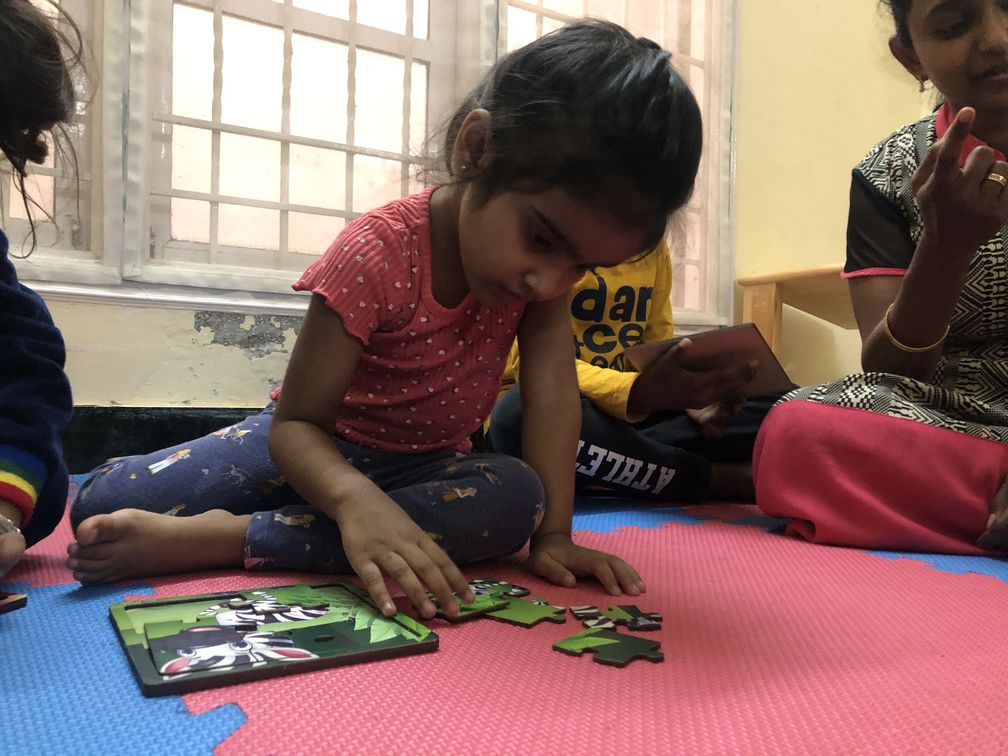
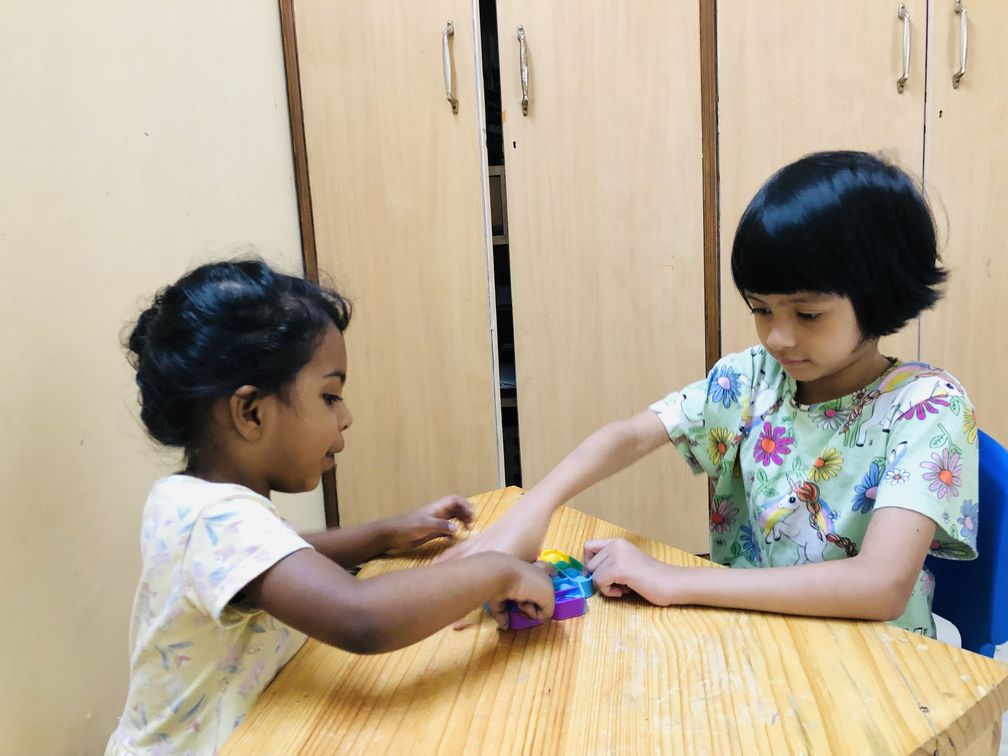
At ADT, we focus on building foundational academic skills while ensuring they are meaningful and relevant to the child’s environment. Our approach emphasizes skill-building in key areas such as reading, comprehension, and mathematics, using innovative, child-centric methods.
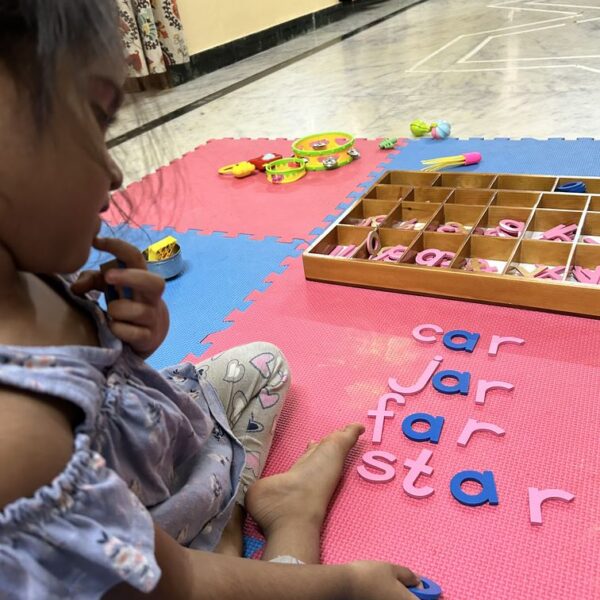
Learning to Read We introduce alphabets and sounds in a multisensory way, helping children understand that these sounds exist in their environment and have meaning beyond academics. Rather than treating learning alphabets or phonics as purely school-related tasks, we help children see that everything in their surroundings has labels made up of sounds represented through alphabets. This approach connects their learning to real-world contexts, making it engaging and meaningful.
Reading Comprehension Reading comprehension is a skill that extends far beyond answering questions in textbooks. At ADT, we enable children to understand that comprehension is essential for effective communication and is a life skill. Comprehension involves inferring meaning from texts, understanding people, and reflecting on oneself.
This skill is developed not just through textbooks but also through regular interactions with the environment. We employ deep reading strategies, teaching children to read words, interpret hidden messages, and infer emotions, characters, and motivations. Children learn to predict, imagine alternate endings, and connect stories to real-life situations. These practices enable children to comprehend deeply and understand that comprehension is not just an academic task but a vital skill for life.
Mathematics – The concept of mathematics at ADT goes beyond numbers, counting, addition, and subtraction. While we support children in mastering these skills for academic purposes, we also introduce them to the idea that math is all around us and is a functional skill essential for managing time, money, and more.
Math is taught in a multisensory way, helping children see its presence in their everyday lives. We focus on the functional use of math, encouraging children to explore concepts in real-world contexts and understand its relevance. This approach fosters a practical understanding of mathematics, making it an integral part of their daily lives.